
Maintain your profile by updating your photos, video links, treatment services, and contact details to ensure optimal https://ecosoberhouse.com/ visibility. Choose where we’ll send you resources to support your health and financial well-being. Select the option(s) below that best describes you to get communication that matches your interests. As the alcohol in your system begins to wear off, something called “homeostatic recovery” can occur. Ultimately, no two cases of insomnia are the same, and no treatment plan is right for everyone. Anyone experiencing insomnia should speak with a doctor to learn more about what treatments may work best for them.
How Does Alcohol Impact Sleep?
Throw alcohol into the mix, and you’ve got a cocktail that could lead to erratic behavior, memory loss (hello, sleepwalking or sleep-driving!), and severe respiratory depression. Antihistamines like diphenhydramine (found in products like Benadryl or Tylenol PM) can cause exaggerated drowsiness, confusion, and even rapid heart rate when combined with alcohol. Trust me, that’s not the kind of heart-pounding night you’re looking for. Gillian Tietz is the host of the Sober Powered podcast and recently left her career as a biochemist to create Sober Powered Media, LLC. When she quit drinking in 2019, she dedicated herself to learning about alcohol’s influence on the brain and how it can cause addiction. Today, she educates and empowers others to assess their relationship with alcohol.
What are the risk factors for alcohol withdrawal?
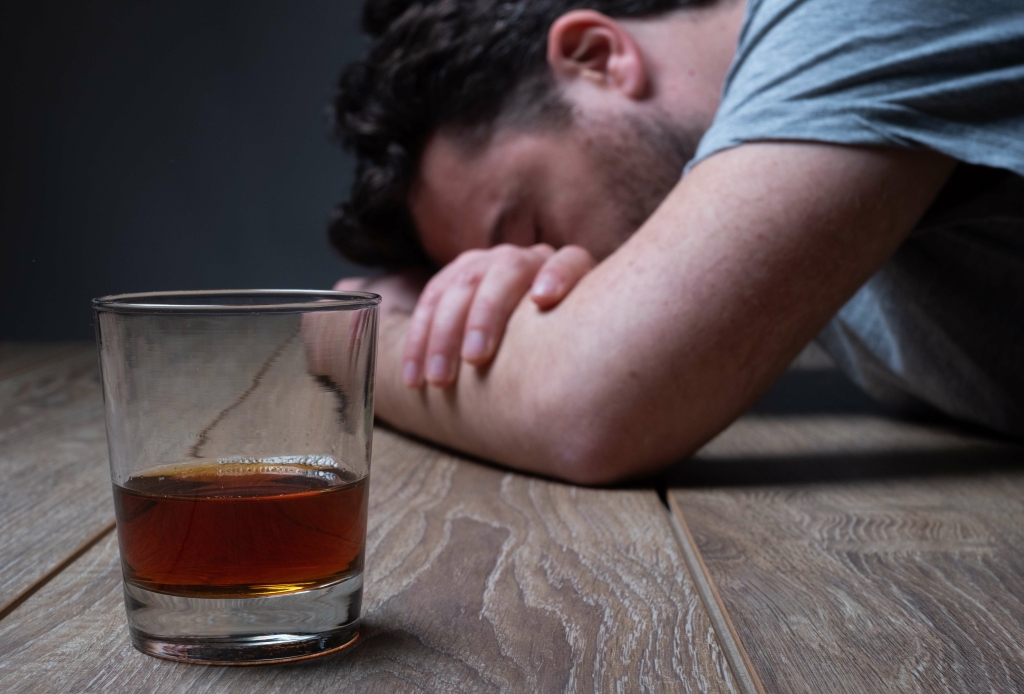
Drinking late at night disrupts the body’s ability to enter deep sleep stages, leading to fragmented sleep. Binge drinking, or consuming large amounts of alcohol in a short period, also disrupts sleep patterns. In the present study, which focused on the effects of alcohol consumption on sleep quality among adults aged 20 years and older, we found that AUDIT-KR and PSQI-K scores were significantly correlated among male subjects.
Insomnia and Alcohol Use Disorder
After detox, it’s a good idea to follow up with comprehensive addiction treatment to address what’s driving your addiction. Most residential rehab programs treat sleep hygiene as a core component of their programming, especially in early recovery. They can also connect you with resources like support groups (12-Step and non-12-Step) to support your long-term recovery. While the urge to reach for a cup of coffee during withdrawal might be strong, caffeinated drinks can worsen your sleep struggles. Caffeine acts on the nervous system,7 increasing alertness and anxiety and making it harder to sleep.
But a key realization for anyone in this trap is that you cannot cure insomnia with alcohol. If you’re lying awake at night, reaching for a bottle is not the answer – and as a sleep specialist, I can’t stress this enough. There are far healthier, effective ways to tackle insomnia that won’t sabotage your precious slumber. Retrospectively, subjects with AD reported the presence of insomnia prior to the onset of AD (Currie et al., 2003a). Sleep disturbance has been shown to predict subsequent alcohol consumption in adolescents and adults (Breslau et al., 1996, Wong et al., 2004, Wong et al., 2010, Wong et al., 2015, Ford and Kamerow, 1989, Weissman et al., 1997).

Those with disrupted sleep should consider reducing alcohol consumption and people in this age group, particularly men, should be discouraged from using alcohol as a sleep aid. It is alcohol insomnia well recognized that sleep problems have a significant impact on quality of life with increased morbidity and mortality seen in population studies3. Identifying people at risk of sleep disturbances as a result of their drinking may have important public health benefits. Over time, the disorder can worsen, especially with continued alcohol use.
In summary, alcohol misuse (heavy alcohol use and AUD) appears to be linked in a bi-directional fashion to sleep-related alcoholism problems such as insomnia and circadian rhythm abnormalities. Furthermore, an evening chronotype and greater shifts in weekday-weekend sleep-wake schedules have been linked to alterations in the brain sensitivity to reward and possibly a change towards greater substance use behavior. The recommended treatment for insomnia disorder in the community, as well as those with AUD, is CBT-I. In conclusion, alcohol’s suppression of melatonin production is a significant yet often overlooked factor in sleep disruption. While moderation is key, awareness of alcohol’s role in blocking melatonin synthesis empowers better decision-making for restful nights. Comparatively, while alcohol might seem like a quick fix for falling asleep faster, its long-term consequences on sleep quality are detrimental.
Making a plan to focus on better sleep habits can help you feel your best and improve your overall health. Alcohol is classified as a central nervous system depressant, meaning it slows down brain activity. While “relaxed” may sound appealing, alcohol has also been shown to negatively affect sleep and other physiological processes that occur during sleep.
To minimize the impact of alcohol on sleep, have your last drink at least 3 or 4 hours before bedtime. There is a higher prevalence of insomnia in people with ADHD and AUD, but consuming alcohol to manage insomnia generally worsens sleeplessness. Individuals who have attention deficit hyperactivity disorder (ADHD) are also particularly affected by insomnia. A 2020 study found that people with ADHD are more likely to consume alcohol to treat their insomnia symptoms.
Then, you can take steps—like cutting back, practicing healthy sleep hygiene, and seeking support if needed—to improve your habits and start feeling better. When you’re heading to bed after a long day, a few drinks can feel like the perfect way to get some shuteye. But the truth is, alcohol’s alleged “sleep-enhancing” benefits may not be all they’re cracked up to be.
- Serotonin helps the brain with willpower management and delaying gratification – meaning it can help curb the appeal of alcohol.
- Responses were used to calculate the mean number of binge drinking days per week, which was the primary predictor.
- Mixing alcohol with sleeping pills or sedative medications can be extremely dangerous.
- Currie notes that recovery and abstinence are more challenging if you aren’t able to get enough good-quality sleep.
Age significantly influences withdrawal insomnia severity, with older adults often experiencing more persistent sleep problems due to natural age-related changes in sleep architecture. Overall physical health also matters, as people with medical conditions like heart disease, diabetes, or chronic pain may have additional factors that complicate sleep during withdrawal. Sleep disturbances during alcohol withdrawal typically follow a predictable pattern, though individual experiences can vary significantly based on factors like drinking history, overall health, and co-occurring conditions. The brain adapts to the presence of alcohol by adjusting neurotransmitter production and receptor sensitivity. Over time, the sleep-inducing effects of alcohol become less pronounced, requiring larger amounts to achieve the same sedative effect.
How does alcohol affect your sleep?
Read on to find out how alcohol can affect your sleep, and why—as well as insight into the health benefits of getting enough shut-eye. Suzy Cohen, has been a licensed pharmacist for over 30 years and believes the best approach to chronic illness is a combination of natural medicine and conventional. She founded her own dietary supplement company specializing in custom-formulas, some of which have patents. With a special focus on functional medicine, thyroid health and drug nutrient depletion, Suzy is the author of several related books including Thyroid Healthy, Drug Muggers, Diabetes Without Drugs, and a nationally syndicated column. Impact on BreathingAlcohol can relax the muscles in the throat, potentially worsening sleep apnea or snoring, which disrupts sleep. Now that you’re well-versed with all the causes and potential solutions to post-alcohol insomnia, it’s time to put this knowledge into action.